

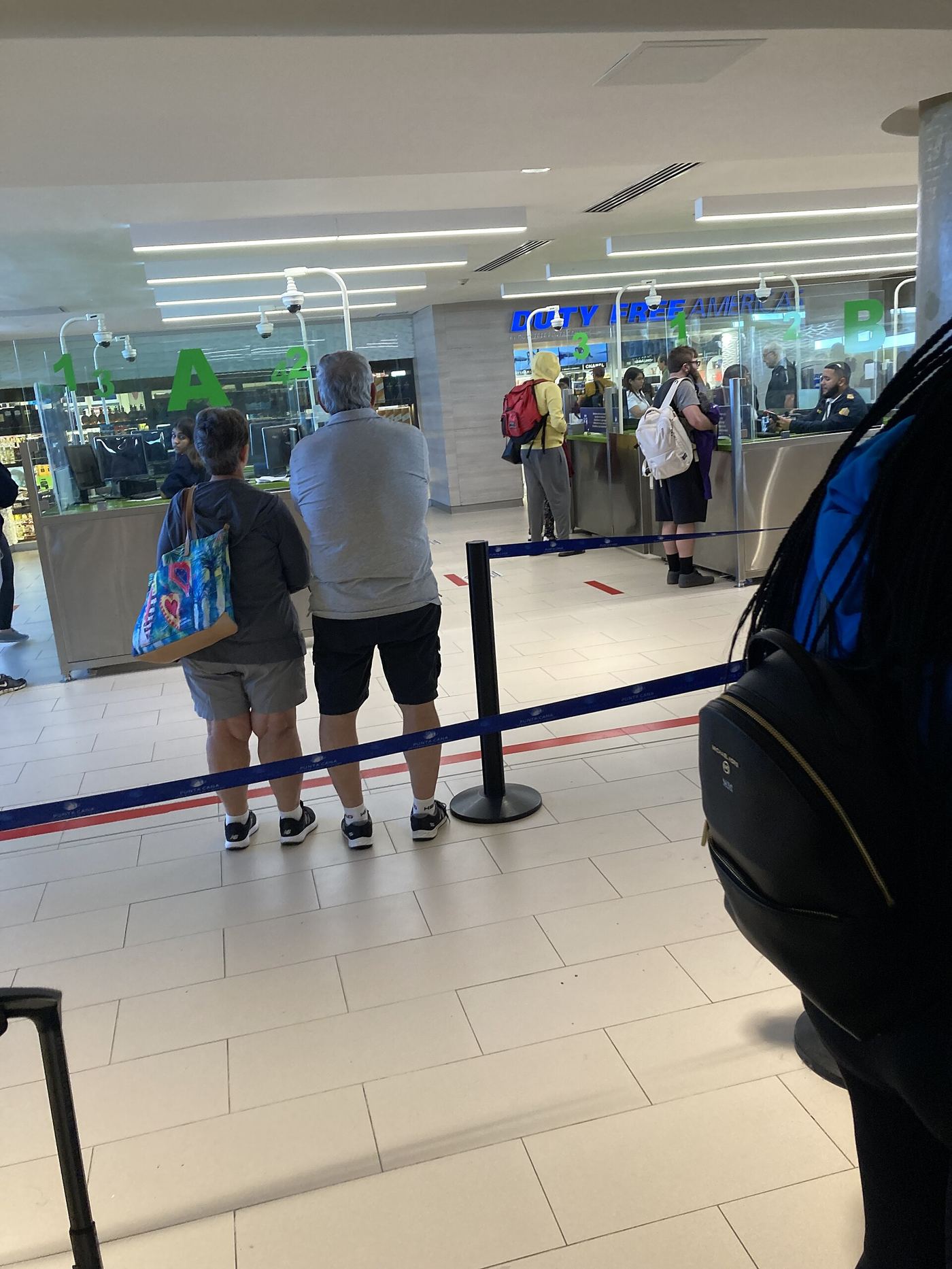
A passport is a credit rating for a human being, and its score is the number of borders it opens without paperwork. That scoreboard has been moving: Asian and Middle Eastern passports have climbed steadily, visa-waiver agreements have multiplied, and several countries have treated mobility as a diplomatic asset to be negotiated like trade. Meanwhile other passports have stalled or slipped as geopolitics reasserted itself, and the gap between the world’s most and least mobile citizens remains one of the starkest inequalities of birth.
The indices that rank passports tell the headline story, but the fine print is where travellers live: visa-free is not the same as visa-on-arrival, entry permission is not the same as the right to work, and a waiver can be suspended by a headline. The experienced traveller reads the entry rules the way an investor reads a prospectus, checking the stay limits, the passport validity window, and the exit requirements that some countries enforce with fines. We maintain that fine-print focus in our travel coverage, because mobility is a system of details.
The market in second doors
Predictably, a market has formed around the inequality. Residency-by-investment and ancestry citizenship programmes sell, in effect, a second door, and demand rises with every geopolitical tremor. The purchasers are rarely fleeing; they are hedging, buying optionality for their children’s education, their company’s travel, their own old age. Governments selling the programmes have learned to price the option like the asset it is.
The queue is a policy choice
Behind the rankings sits an unglamorous determinant: the consular queue. For citizens of low-mobility countries, the passport’s weakness is compounded by appointment scarcity, opaque refusals and fees that function as a wealth test before the wealth test. Digital application systems and regional visa blocs are beginning to ease the friction at the margins, and each country that moves a category of traveller from interview to e-visa quietly enlarges the world’s practical freedom to move.
Reformers make a point worth repeating: mobility is economic infrastructure. The student, trader and grandmother delayed at the same window are the same loss counted three ways, and the countries climbing the index fastest are those treating the insight as policy.
Mobility as the quiet diplomacy
Each new visa-waiver agreement is a small diplomatic instrument: it signals trust, oils tourism and business, and gives two foreign ministries a deliverable that citizens can actually feel. The direction of the last decade, despite the headlines, is toward more agreements and more mobility for more people. The map of who may simply arrive remains uneven, but it is being redrawn constantly, and the travellers reading the fine print are its first beneficiaries.
The fine print will keep changing. The travellers who read it will keep arriving first.

