

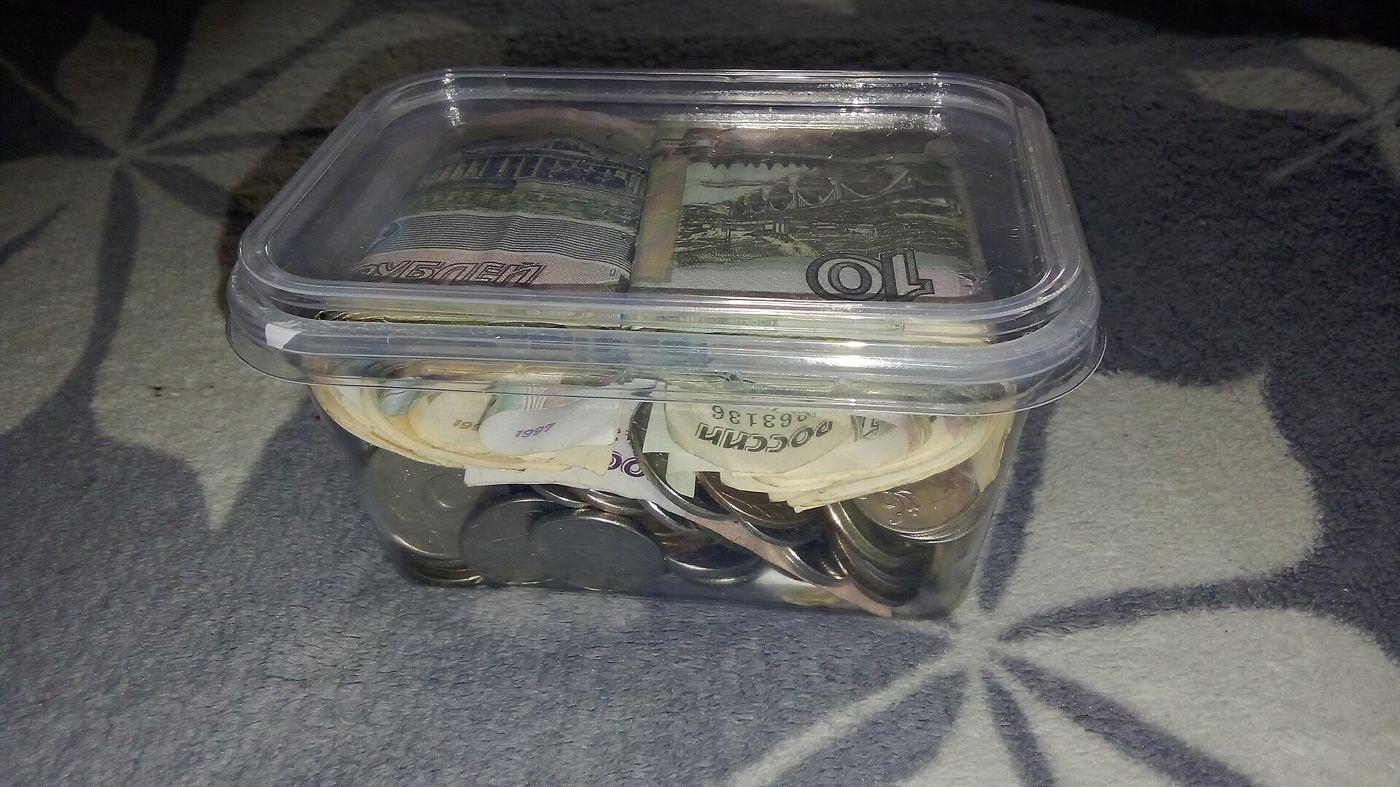
Building savings does not always begin with a large deposit or a dramatic change in lifestyle. For many households, the most workable approach is small, regular contributions made automatically on payday, before everyday spending absorbs the money. Even modest amounts create a buffer for unexpected costs such as car repairs, appliance breakdowns or a sudden reduction in working hours. Financial educators describe an emergency fund as protection against borrowing at high cost during an already stressful moment. The right target varies by household, but starting with a reachable first goal helps people stay motivated. Watching a balance grow, coin by coin and month by month, can turn saving from an abstract intention into a visible habit.
What the Evidence Shows
Keeping savings separate from everyday spending money makes progress easier to track and reduces temptation to dip in for non emergencies. Savers should compare account terms, check for fees and make sure deposits are covered by the relevant protection scheme in their country. Reviewing subscriptions, energy use and food waste can free up small sums without relying on willpower alone. When an emergency does use part of the fund, the plan should restart gently rather than be abandoned. Households with irregular incomes may save a percentage rather than a fixed amount. The key lesson from experienced savers is consistency: a modest system that survives busy months is worth more than an ambitious plan dropped after a few weeks. Reporting and analysis from sources such as International Monetary Fund track the same developments, and specialists following piggy bank coins regular savings say the direction is now consistent across independent lines of evidence.
The Wider Context
The wider context is a financial system repricing risk after a long era of cheap money. Decisions shaped by piggy bank coins regular savings are being made under closer supervisory attention, with stress tests and disclosure rules that assume conditions can worsen quickly. Institutions that planned for the benign case are adjusting in public, which is uncomfortable and healthy in equal measure.
What Happens Next
What happens next with piggy bank coins regular savings will be visible first in the data that professionals watch weekly: flows, spreads and the terms on new deals. Participants who spoke for this article expect a period of adjustment rather than drama, with the biggest effects landing on those who assumed the old conditions were permanent. Planning, as ever, is the cheapest hedge. You can follow related developments in our coverage of finance.
There is a practical lesson in all of this for readers deciding what to do today. Start with the verified facts, be wary of anyone promising certainty, and prefer reversible steps while the evidence is still developing. Circumstances differ by country, income and personal situation, so general guidance should always be weighed against your own context before you act on it in any significant or lasting way.

