

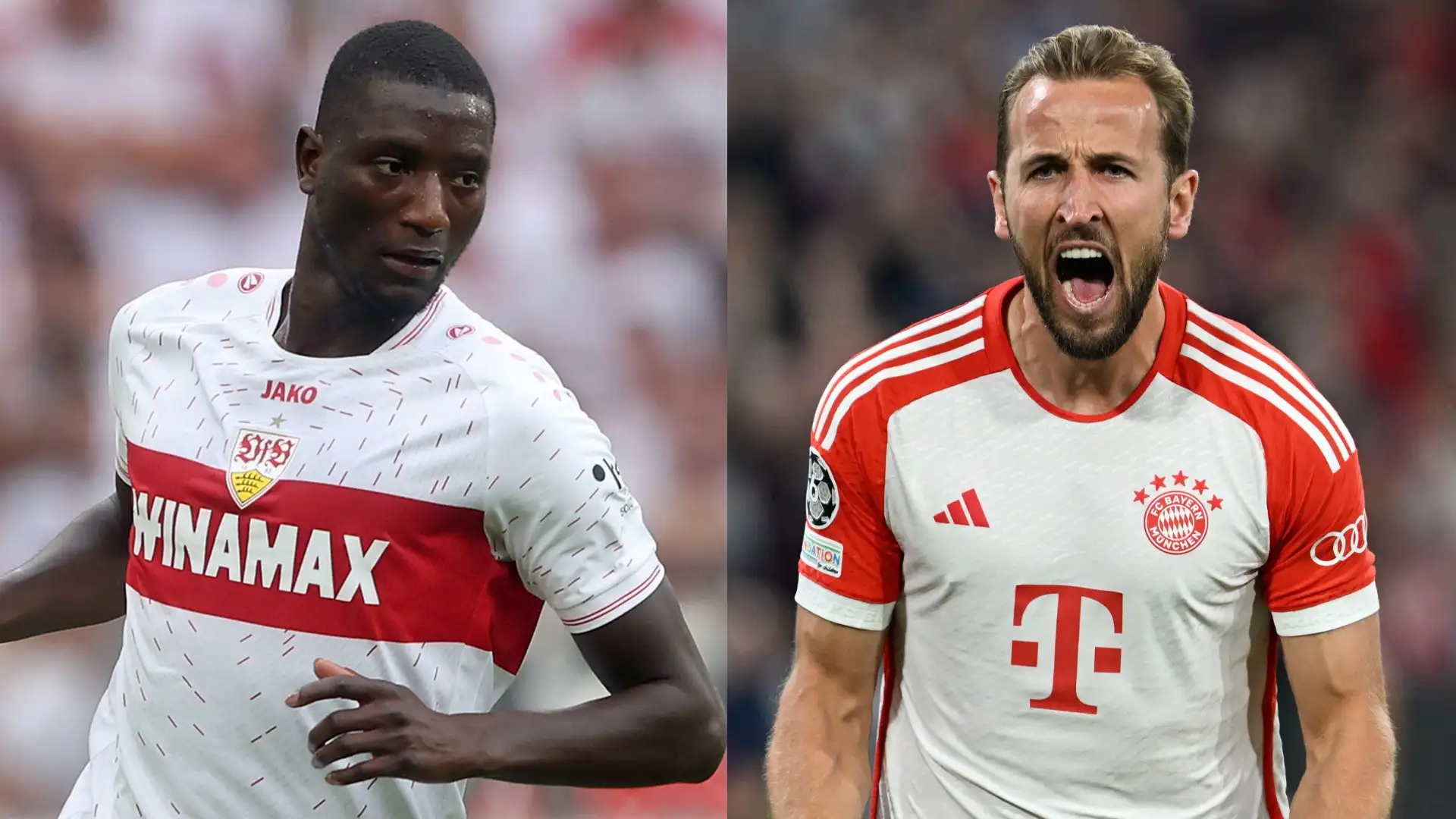
Second‑half performance is one of the strongest indicators of a team’s tactical maturity, fitness, and ability to adapt under pressure. In the Bundesliga, where tempo is high and transitions are frequent, certain clubs consistently generate more goals after halftime. This article explores Bundesliga teams that score the most second‑half goals, highlighting tactical patterns, data indicators, and strategic implications for bettors and analysts.
Why Second‑Half Goals Matter in the Bundesliga
Second‑half goals often determine match outcomes. They reflect not only physical endurance but also a team’s capacity for tactical adjustment. Understanding which teams excel in the second half provides valuable insights into live betting, halftime decision-making, and outcome forecasting.
Core Characteristics of Strong Second‑Half Teams
Teams that dominate in the latter stages of matches share recognizable traits linked to endurance, tactical flexibility, and mentality.
Tactical Adaptability After Halftime
Teams that make effective halftime adjustments often create new passing angles, exploit defensive weaknesses, or switch formations to break down opponents.
Superior Fitness and Tempo Control
Second‑half dominance also stems from physical advantages. Bundesliga clubs with high stamina maintain pressing intensity while opponents slow down.
Identifying Bundesliga Teams with Frequent Second‑Half Goals
Certain teams display consistent patterns of late scoring. These patterns often align with their style of play, squad depth, and in‑game philosophy.
High‑Pressing and Transition‑Focused Teams
Clubs like RB Leipzig and Bayer Leverkusen tend to score frequently in the second half because their pressing systems wear opponents down, creating more opportunities.
Statistical Indicators of Second‑Half Strength
To identify teams that score many second‑half goals, analysts use key performance metrics that highlight late‑game patterns.
Metrics That Reveal Second‑Half Potential
- Second‑half expected goals (xG)
- Shot volume after the 60th minute
- Possession dominance in late phases
- Substitution impact on chance creation
These indicators point toward teams that attack more effectively as the match progresses.
Tactical Reasons Behind Late Goals
A deeper look at Bundesliga tactics reveals why some teams thrive late in matches. This includes shifts in formation, targeted wing play, and increased vertical passing.
Formation Changes That Boost Late Attacks
Managers may replace midfielders with attackers, adjust fullbacks to push higher, or reorganize the frontline to overload specific defensive zones. These shifts create scoring opportunities that did not exist in the first half.
How Opponent Styles Influence Second‑Half Scoring
Some opponents naturally concede more second‑half goals due to fatigue, slow tempo, or defensive instability.
Teams Vulnerable to Late Pressure
Defensively compact teams may resist early pressure but eventually break down as they tire. Recognizing these matchups improves forecasting accuracy for second‑half goal markets.
Using Platforms to Track Second‑Half Trends
Analyzing second‑half performance requires real‑time statistics, historical comparisons, and tactical context. Many bettors rely on digital platforms that visualize momentum, xG evolution, and pressing patterns to predict when goals are likely.
A refined approach involves studying how different Bundesliga teams perform under late‑game pressure, comparing their historical scoring curves, and observing substitution patterns that influence goal timing. Platforms such as UFABET provide users with live match analytics, goal‑timing charts, and predictive indicators that highlight when a team’s second‑half scoring probability increases. By combining model‑based insights with tactical understanding, bettors gain clearer opportunities to anticipate late goals and identify undervalued markets during live play.
Common Misconceptions About Late Scoring Trends
Some bettors assume a team that scores early will continue scoring later, but this is not always true. Similarly, teams that start slowly may be specifically structured to peak in the second half.
Final Thoughts: Leveraging Second‑Half Patterns for Better Insight
Bundesliga teams that score the most second‑half goals showcase tactical adaptability, strong physical conditioning, and effective substitution strategies. Studying these patterns enhances prediction accuracy and helps bettors identify value in markets like over goals, next team to score, or second‑half results.
By understanding the late‑game dynamics unique to the Bundesliga, analysts and bettors can make more informed decisions and better anticipate how matches evolve beyond halftime.
