

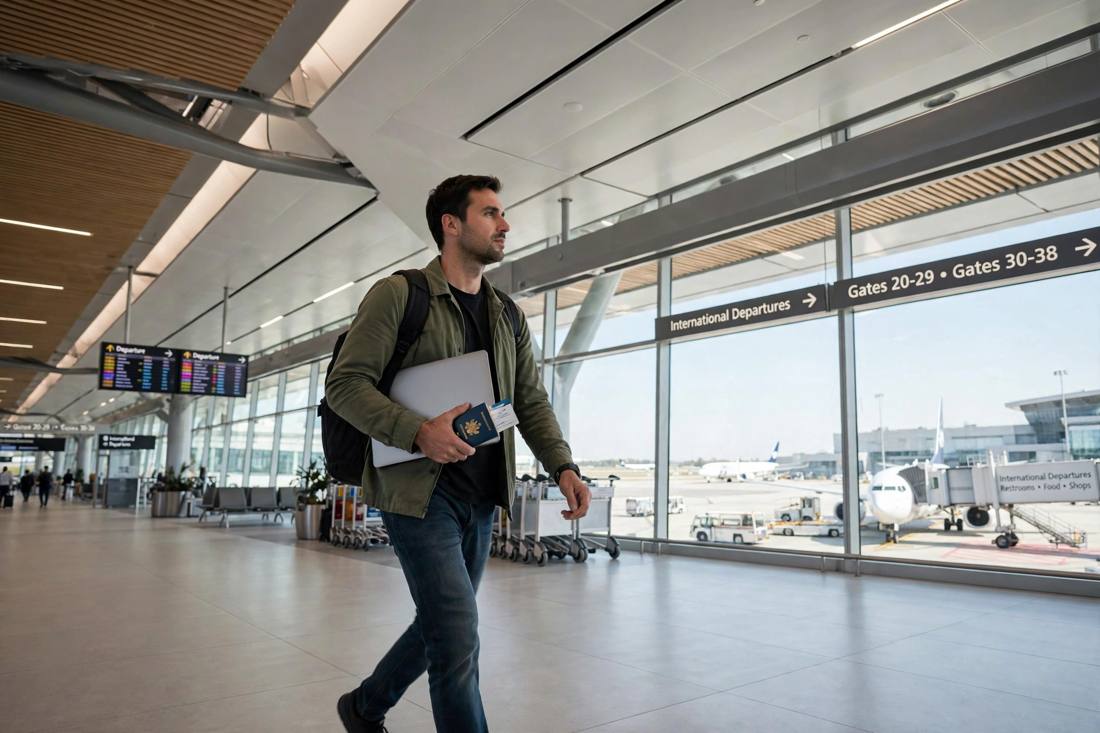
Five years ago, working from a beach town in another country meant visa runs and grey areas. In 2026, it increasingly means an application form. More than fifty countries now run dedicated digital nomad visas, and the competition between them — on price, processing speed and how long you may stay — has become one of the defining travel stories of the year.
The logic is simple economics. Remote workers earn foreign salaries and spend them locally without taking local jobs. For countries with ageing populations or tourism-dependent economies, a professional who stays six months and rents an apartment is worth far more than a tourist who stays six days. Our guide to how visa businesses build trust explains why official, transparent schemes have replaced the informal arrangements of the past.
What the newest schemes offer
The typical 2026 nomad visa allows stays of six months to two years, with renewals increasingly common. Income requirements vary widely: some European schemes ask for proof of earnings around two to three times the local minimum wage, while several Asian and Latin American programmes set thresholds deliberately low to attract volume. Processing times have fallen sharply, with a growing number of countries offering online applications and decisions within a month.
Tax is where the real competition happens. Some destinations offer full exemptions for foreign-earned income during the visa term; others apply reduced flat rates. As BBC Travel has reported, the difference between schemes can be worth thousands a year, which is why applicants increasingly compare tax treatment before scenery.
The details that catch people out
Advisers who handle nomad applications list the same pitfalls. Health insurance must often meet specific local wording, not just any global policy. Some visas count as tax residency after 183 days whether the holder planned it or not. Others restrict the type of work allowed — several schemes permit employment for foreign companies only, and a surprising number prohibit taking local freelance clients. Dependants, too, are handled very differently: some countries welcome families with streamlined paperwork, others require separate applications for each person.
Renewal rules deserve equal care. A visa that cannot be renewed, or that requires leaving for a set period before reapplying, shapes your plans very differently from one with a path to longer residence. We track these changes across our visa news coverage as governments adjust schemes mid-year surprisingly often.
Who is winning the race
Established favourites in southern Europe and Southeast Asia remain popular, but the fastest growth is in places that moved later and designed simpler systems: one application, one fee, clear tax rules. Smaller island nations and second-tier cities have been particularly aggressive, marketing fast internet and lower living costs rather than famous landmarks.
The OECD and other research bodies have begun studying the effects on housing and local services, and their migration research suggests the programmes work best where governments pair them with investment in the infrastructure remote workers actually need.
Before you apply
The practical checklist is short but unforgiving: confirm the income threshold and how it must be documented, check the tax residency trigger, verify insurance requirements in writing, and read the renewal clause before falling in love with the location. The nomad visa boom has made legal remote work abroad genuinely accessible — but the countries competing hardest for your laptop are also, increasingly, competing on clarity. Choose the scheme that is clearest, not just the cheapest, and the paperwork becomes the easiest part of the move.
The community effect
An underappreciated part of the boom is what nomads build when they stay. Longer visas have produced co-working spaces, relocation services, language exchanges and entire neighbourhood economies oriented around residents who stay for seasons rather than weekends. That stability answers the loudest criticism of earlier nomad culture — that it passed through places without contributing to them. A visa holder who rents for a year, pays local taxes under a clear scheme and sends their children to a local school is not a tourist with a laptop; they are a temporary resident, and the newest visa designs increasingly treat them that way. For applicants, that is one more reason to favour the programmes built for the long term: they are the ones most likely to still be welcoming you at renewal time.

