

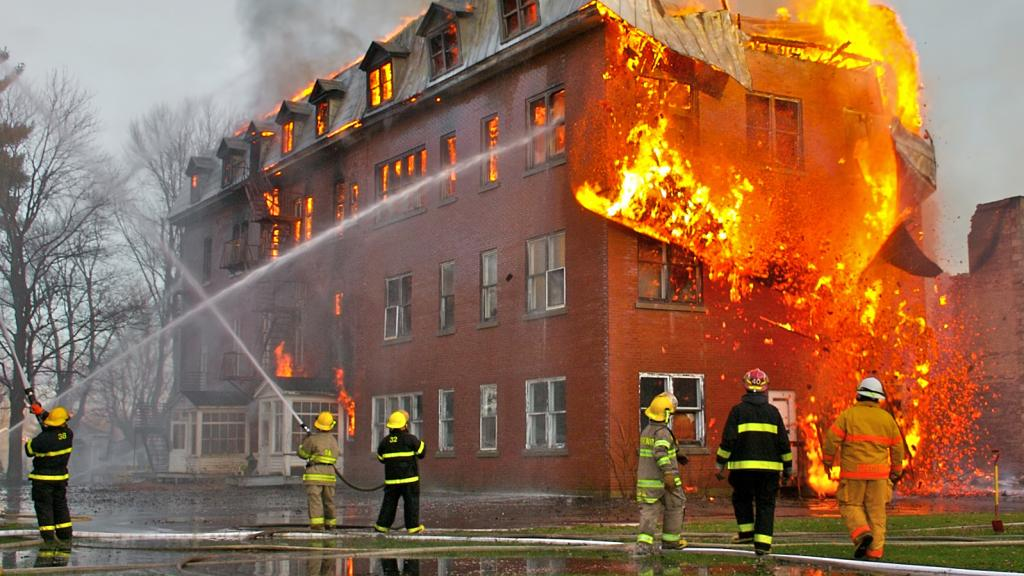
Age matters more than square footage sometimes. A hundred-year-old brick building with an alarm panel installed decades ago can take longer to fully assess and monitor than a much larger modern structure with clean, well-documented systems. That gap shows up directly in the quote. Anyone requesting a estimate for fire watch cost Portland on a historic property should expect this factored in from the start, not discovered halfway through the engagement.
What older infrastructure actually means for a watch
Alarm systems installed generations ago weren’t built with today’s fire code in mind. Panels get retrofitted, patched, sometimes partially replaced over the years, leaving a system that technically functions but doesn’t map cleanly to modern documentation standards.
A guard covering an impairment in a building like this has to work with what’s actually there, not what a newer system would offer. That often means longer initial site assessments, more careful patrol route planning around structural quirks, and closer coordination with whoever last serviced the alarm panel. None of that is exotic work. It just takes more time than a straightforward modern system would.
The seasonal economy squeeze
Small coastal cities with a strong seasonal tourism pull face a compressed demand window that larger year-round markets don’t deal with the same way. A short stretch of warm-weather months carries a disproportionate share of the year’s hospitality and event activity, and fire watch demand tends to spike right alongside it.
That compression matters because it overlaps with construction season too. Property owners trying to finish renovation work before the season fills up compete for the same limited pool of certified guards that hotels and event venues need for peak occupancy coverage.
What tends to drive the cost up here
A handful of factors show up consistently in smaller coastal markets with older building stock.
Alarm systems that require extra time to assess due to age or partial retrofits
A short, intense seasonal window where tourism and construction demand overlap
A working waterfront presence, which adds maritime-adjacent fire watch needs to the regional mix
Limited local guard availability compared to larger metros, since smaller markets simply support fewer certified personnel
Winter logistics, since harsh seasonal weather can slow guard travel and equipment staging outside the peak season
Why the maritime element adds another layer
Coastal cities with an active working waterfront, shipyards, marinas, vessel repair facilities, bring specialized fire watch needs into the regional mix. Maritime fire watch requires familiarity with vessel-specific hazards and often different certification than standard commercial or construction coverage.
That specialization narrows the guard pool further. A property owner needing standard commercial coverage during the same window a shipyard needs maritime-trained guards is drawing from a market that has to split its resources across genuinely different skill sets, not just different schedules.
Why smaller markets don’t always mean lower prices
There’s a common assumption that smaller cities should cost less across the board, since everything else about doing business there tends to run cheaper. Fire watch doesn’t always follow that pattern.
A smaller market supports fewer certified guards. When demand spikes, even briefly, during peak season or an older building’s extended assessment period, that limited supply pushes rates up in ways a larger metro with a deeper guard roster wouldn’t experience as sharply. Scarcity, not city size, tends to be the real driver.
What property owners can actually do about it
Getting an alarm system properly documented ahead of time, rather than during an active impairment, tends to shorten the assessment portion of a watch considerably. Booking coverage before the peak season fills up, where the timeline allows, generally means more guard availability and steadier pricing.
Anyone comparing fire watch cost Portland against a quote from a much larger city should weigh building age, seasonal timing, and local guard availability rather than assuming market size alone explains the difference. In smaller coastal markets, those three factors usually matter more than anything else in the number.

