

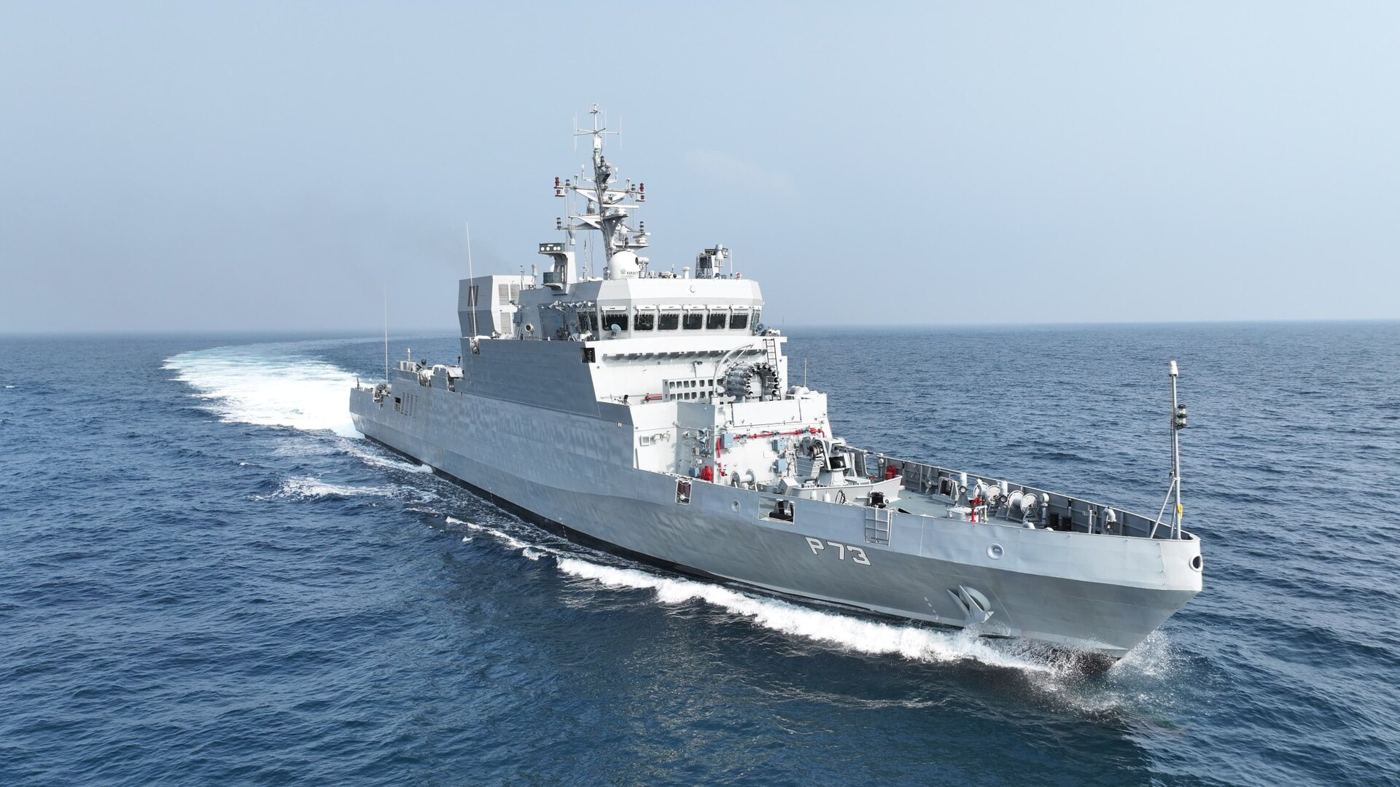
Bahrain said its air defence systems intercepted Iranian aerial attacks on the evening of November 21 2026, as the war between Iran and the United States and Israel escalated sharply across the Gulf. Air raid sirens sounded across the kingdom and residents were urged to seek shelter, and a fire later broke out at a civilian industrial facility after an Iranian attack, according to Bahrain’s interior ministry. The escalation came as attacks on oil tankers in the Strait of Hormuz hit their highest levels since the war began, with two tankers attacked near Khasab in Oman on the same day. Iran also said it had shot down an American drone over Qeshm Island, while Washington rejected Tehran’s claim of damaging an American fighter jet.
What the Evidence Shows
The American naval blockade of Iran reached 130 consecutive days on November 21, preventing the Islamic Revolutionary Guard Corps from exporting billions of dollars of crude oil, according to the American military. Iran has vowed to break the blockade, and tankers have gathered at Kharg Island as the standoff drags on, while negotiations between the United States and Iran to end the war have stalled months after it began with strikes in late February. Brent crude settled at 92.57 dollars a barrel on Friday, up 59 cents on the day but set for a 4 percent weekly loss. Analysts warn that a return to full scale war is inevitable, with one former Pentagon official describing Iran as strangled by the blockade and likely to choose conflict as the way forward. Reporting and analysis from sources such as Reuters track the same developments, and specialists following the Bahrain interception and Hormuz escalation say the direction is now consistent across independent lines of evidence.
The Wider Context
The wider context is a public conversation conducted at a speed institutions were not built for. Developments around the Bahrain interception and Hormuz escalation are announced, contested and revised within a single news cycle, and the officials involved have learned to publish evidence alongside claims so that scrutiny can actually occur. Trust, the polling suggests, follows that transparency more than it follows confidence.
What Happens Next
What happens next in the story of the Bahrain interception and Hormuz escalation will be decided in the places where it is being implemented, measured and argued about in public. The officials and organisations involved have committed to publishing progress data, and that commitment gives residents, businesses and journalists something firmer than promises to judge. The next milestones are dated, which means they can be checked. You can follow related developments in our coverage of news.
There is a practical lesson in all of this for readers deciding what to do today. Start with the verified facts, be wary of anyone promising certainty, and prefer reversible steps while the evidence is still developing. Circumstances differ by country, income and personal situation, so general guidance should always be weighed against your own context before you act on it in any significant or lasting way.

