

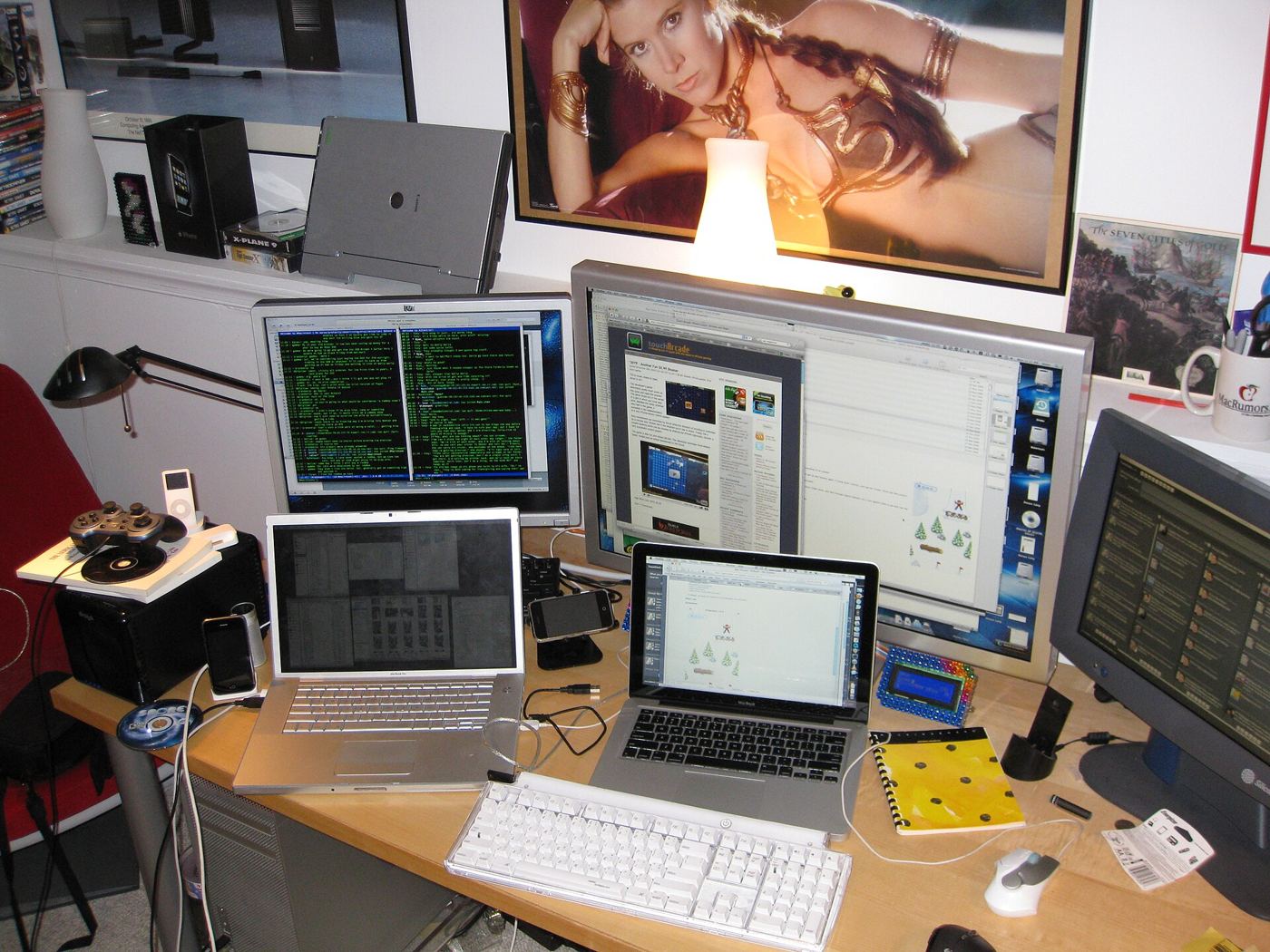
A monitor’s refresh rate, measured in hertz, decides how many times per second it redraws the picture, and for gamers that number matters. A standard office monitor refreshes sixty times a second, but gaming monitors now reach 144, 240 and even 500 times a second, drawing each frame of a fast-moving game with far less blur. In a racing game or a first-person shooter, the extra frames make movement look smoother and help a player spot an opponent a fraction of a second sooner, which can decide a match. High-refresh monitors also reduce the tearing and stuttering that appear when a graphics card and a monitor fall out of step, thanks to adaptive sync technology that matches the two together.
What the Evidence Shows
Choosing a gaming monitor means balancing speed against picture quality and price. The fastest panels often use simpler display technology with weaker colours and narrower viewing angles, while the most beautiful screens may refresh more slowly. Size matters too: a 24-inch screen suits competitive players who sit close and want the whole game in view, while a 27-inch or ultrawide screen suits players who want to be immersed in a detailed world. Buyers should also check the resolution, the response time and whether the monitor supports the adaptive sync system of their graphics card. High-refresh screens are no longer limited to professionals, and as prices have fallen they have become a common upgrade for anyone who plays fast games regularly. Reporting and analysis from sources such as IEEE Spectrum track the same developments, and specialists following the high-refresh monitors making fast games smoother say the direction is now consistent across independent lines of evidence.
The Wider Context
Adoption of the high-refresh monitors making fast games smoother follows a familiar pattern with an unfamiliar speed. Early users tolerate rough edges in exchange for advantage, mainstream users arrive when the tool disappears into existing workflows, and the market consolidates around whoever made that transition feel effortless. Vendors are racing less on raw performance now than on integration, support and trust.
What Happens Next
The realistic forecast for the high-refresh monitors making fast games smoother is steady integration rather than sudden replacement: embedded in products people already use, improving in increments, and regulated in proportion to its reach. The companies and institutions that plan on that basis, training staff and redesigning processes instead of chasing launches, are the ones the adoption data tends to vindicate. You can follow related developments in our coverage of technology.
It is also worth remembering how quickly the picture in this area has changed before. Positions that looked settled a few years ago have been revised as new data arrived, and the same humility is appropriate now. The strongest coverage of this subject, and the most useful advice, tends to come from sources that update their views openly when the facts move, rather than defending an earlier position long after it has stopped fitting the evidence available.

