

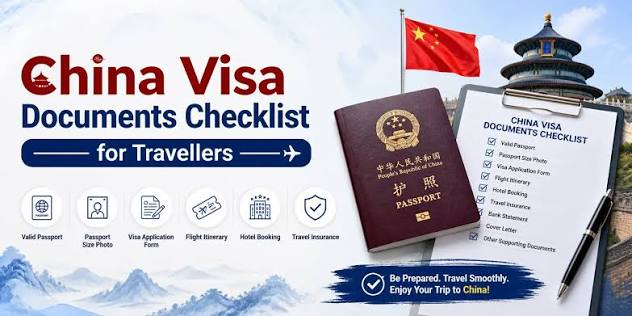
Two travellers can be heading to the same Chinese city and need different application documents. One may be taking a holiday, while the other is meeting a trade partner. Their nationality, residence, previous visas and personal circumstances can also affect what they need to prepare.
That is why a useful China visa checklist begins with the traveller and the journey. Downloading the first document list you find can leave you collecting unnecessary paperwork or overlooking something relevant.
For people applying from the United States, the following approach connects the official requirements with a practical preparation process.
Check Whether an Application Is Needed
A U.S. passport cover.
Before gathering application documents, establish whether the traveller needs a visa for the proposed visit. Check the current exemption policies against the passport being used, the purpose of travel, the intended stay and the complete route.
Visa-free transit deserves particular attention. The National Immigration Administration’s guidance describes conditions involving eligible nationalities, designated ports, permitted areas and onward travel to a third country or region. A short visit alone does not establish eligibility.
Write down the whole itinerary when checking: where the traveller arrives from, where they enter China and where they go afterwards. Recheck the conditions if those arrangements change.
Identify the Office Responsible for the Application

Chinese Consulate General, Los Angeles, photographed in 2008.
Confirm which Chinese embassy or consulate handles the applicant’s place of residence. Applying from the U.S. does not mean every applicant can choose any consular office.
For example, the Chinese Consulate General in Los Angeles states that applicants must reside within its consular jurisdiction. Its published instructions also say that applicants outside the United States cannot apply at Chinese embassies or consulates in the U.S.
Use the responsible office’s current guidance as the starting point for the checklist. Save the page and note when you reviewed it, so you can distinguish current instructions from an older downloaded form or third-party article.
Match the Category to the Actual Activities
Describe what the traveller will do before selecting a visa category. The Chinese Embassy’s published categories identify L visas with tourism and M visas with commercial and trade activities. Other categories address purposes such as study, employment and family visits.
A business meeting, university admission and visit to relatives can therefore lead to different supporting-document requirements. Ask the host organisation for the documents relevant to the actual visit, rather than requesting a generic invitation.
If the planned activities are difficult to classify, seek clarification from the responsible consular office. Resolve that question before building the application around an unsuitable category.
Separate General Documents From Case-Specific Requirements
Create two parts to your checklist. The first covers the basic documents listed by the processing office. The second records additional items connected with the visa category or the applicant’s circumstances.
Avoid assuming every tourist application requires flight bookings or a hotel reservation. The Chinese Embassy’s U.S. guidance states that tourist visa applicants within the United States no longer need to submit round-trip ticket booking records, hotel reservations, itineraries or invitation letters. It also notes that applications are considered individually.
Read the remaining requirements carefully. Previous Chinese nationality, a name change, an existing Chinese visa or a child’s circumstances may require additional attention.
Mark each item as prepared, awaiting information or needing clarification. This makes it easier to see what is actually holding up the application.
Review the Details Across Documents
Before submitting, compare names, passport numbers and dates across the application and supporting material. Check that any host documents describe the intended visit accurately.
Use clear scans and verify that every required page is included. Review the completed form again after uploading, rather than assuming that having the right files guarantees the information entered is correct.
Keep a record of questions and how they were resolved. If someone assists with the form, make sure the traveller has reviewed the information and can identify anything that needs correcting.
Understand the Online and Physical Stages

Reviewing paperwork alongside a laptop (illustrative).
An online submission is one stage of the process. The Los Angeles consulate’s current FAQ explains that applicants complete the form and upload documents for preliminary review, then submit the required physical documents after that review.
Its instructions link physical submission to the application status showing that the passport is ready to be submitted. Follow the specific status messages and instructions for the office handling your case.
Allow time for corrections, physical submission, final review and passport collection or return arrangements. A published processing estimate should not be treated as the total time from first opening the form to having the passport available for travel.
Know What Application Support Includes
If your checklist is for a sightseeing holiday and you live within the Los Angeles consular jurisdiction, China Visa Depot offers tourist visa assistance in Los Angeles, including application preparation and document review. Confirm the service scope for your situation before engaging a provider.
Before engaging any service, ask what its fee includes, who completes the online form, how original documents are handled and how requests for additional information will be communicated.
The issuing authority determines whether a visa is granted and the conditions attached to it. Assistance can help organise the application, while the official instructions remain the reference.
Check the Issued Visa Against the Journey
When the passport is returned, review the personal details, visa category, validity, permitted entries and duration of each stay. These are separate conditions, so check all of them against the itinerary.
Keep the final document review connected to the trip you intend to take. A checklist is most useful when it follows the journey from the initial eligibility check through to the issued visa and departure.

