

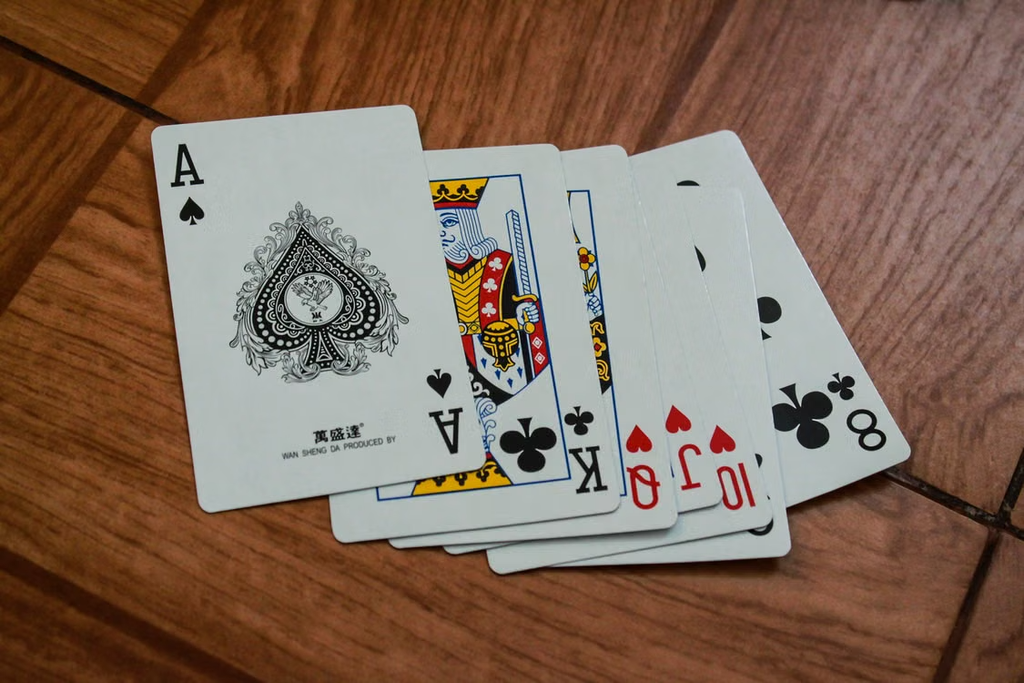
One of the most underappreciated aspects of Tongits is how much information you can gather during a round if you know what to look for. The cards your opponents draw, discard, and the melds they lay down tell a story about the hand they are building. Learning to read those signals is one of the clearest ways to improve how you play tongits online.
What Discards Reveal
Every card an opponent discards is a piece of information. If a player throws away a card early in the round, it usually means that card does not fit into any combination they are working toward. If they discard a card that you were hoping to use in your hand, that tells you the competition for that specific combination may be lower than expected.
Paying attention to which suits and ranks are discarded most often gives you a clearer picture of what the other players are holding. This is not foolproof, but it is far more useful than ignoring discards entirely and focusing only on your hand.
What Drawing Patterns Tell You
If your opponent always draws from the central pile instead of the discard pile, it means they are trying to make combinations that need certain cards but haven’t found them yet. Many times, when someone picks up a discarded card, it means that card completes or makes a big step forward in a combination they are working on.
The second situation tells us the most. It’s likely that the player who picks up the seven of hearts that you just threw away has two other sevens or nearby hearts that are in order. You can then see what they are building and decide if the cards in your hand are worth keeping or if it is safer to let go.
How Meld Timing Signals Confidence
How fast an opponent throws down his melds is information in itself. A player who melds early in a round is either confident in his hand, or trying to reduce his point total, in the event a draw is called. A player who takes their time with their melds may be waiting for a better combination, or getting ready to go out altogether.
Watching meld timing across multiple rounds develops your ability to identify your opponents’ playing styles, making it easier to anticipate their future decisions when you regularly play tongits online.
How Draw Calls Reflect Hand Strength
When an opponent calls a draw, they are telling you they believe their unmatched card total is lower than yours. How early or late in the round they make that call gives you a sense of how quickly they were able to reduce their hand.
An early draw call suggests they built a strong position fast. A late draw call might indicate they were waiting for a better position that never quite arrived.
Using Opponent Information Without Overcommitting
It is useful to be able to read your opponents well but a good read should influence the action you take with your hand and not take over the whole process. The best way is to take what you see without throwing your core strategy out on one read that could be wrong.
Wrapping Up
The moves of your opponents in Tongits are never random. Each draw, each discard, each meld and each draw call carries information worth noting. By learning to read the table while playing online tongits, you add a layer of strategic depth that makes every round more engaging and every decision more grounded.

