

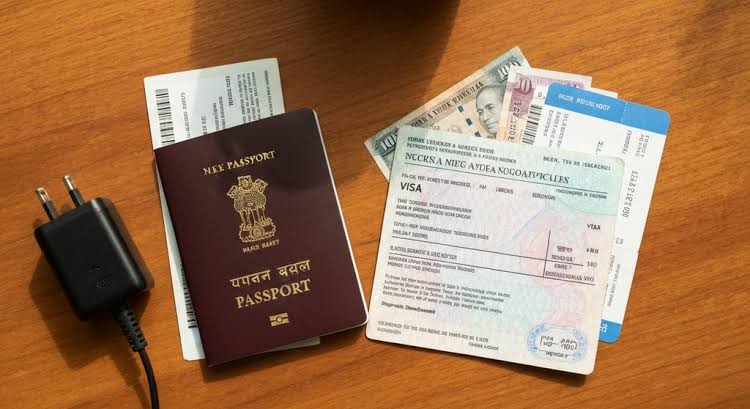
International travel requires much more preparation than booking a flight and choosing a hotel. Passport validity, visa requirements, transit rules, travel insurance, baggage restrictions, health documents, and airport arrangements can all affect whether your journey begins smoothly.
Overlooking a small detail may result in unexpected expenses, missed connections, delays at immigration, or even being denied boarding. Entry requirements can also change, which means information that was accurate during a previous trip may no longer apply.
A successful international journey begins long before you reach the airport. This international travel checklist will help you organize the most important documents, bookings, and practical arrangements before departure so that you can travel with greater confidence and fewer last-minute surprises.
1. Check Your Passport Validity
Having a passport does not automatically mean that you are ready to travel. Many countries require a passport to remain valid for several months beyond the planned arrival or departure date.
Before booking non-refundable flights, check:
- Your passport’s expiration date
- The destination’s minimum validity requirements
- Whether blank passport pages are required
- Whether the document is damaged
- Whether the name matches your airline reservation
A passport with torn pages, water damage, or an unreadable photograph may cause problems during check-in or border control, even when it has not expired.
If your passport is approaching its expiration date, begin the renewal process early. Processing times may increase before school holidays and peak travel seasons, so leaving the application until the last moment can limit your travel options.
2. Confirm Visa and Entry Requirements
Visa rules depend on several factors, including your nationality, destination, travel purpose, length of stay, and passport type. Two travelers taking the same flight may face completely different entry requirements.
Depending on the destination, you may need:
- A traditional visa issued by an embassy
- An electronic visa
- An electronic travel authorization
- A visa on arrival
- A transit visa
- Proof of accommodation
- An onward or return ticket
- Evidence of sufficient funds
- An invitation letter
Do not assume that visa-free travel means there are no entry formalities. Some countries require visitors to register online, pay an authorization fee, or complete an arrival form before departure.
Visa processing can take days, weeks, or even longer when additional documentation is requested. Check the requirements before purchasing expensive non-refundable services.
Most importantly, confirm the rules through an official embassy, consulate, immigration authority, or government website. Travel forums and social media can provide useful personal experiences, but they should not replace official information.
3. Review Transit and Connection Rules
Travelers often focus only on the rules of their final destination. However, the countries used for flight connections may have separate transit requirements.
An airport transit visa may be required even when you do not plan to leave the international zone. The situation becomes more complicated when your itinerary includes:
- Separate airline tickets
- Self-transfer flights
- Baggage collection and rechecking
- A change of airport
- An overnight connection
- A long layover
- Departure from a different terminal
With a self-transfer, you may need to pass through immigration, collect your luggage, enter the country officially, and check in again for the next flight. This could require a regular entry visa rather than an airport transit visa.
Check whether your baggage will be transferred automatically and leave enough time for immigration, security, terminal changes, and possible delays.
4. Purchase Appropriate Travel Insurance
Travel insurance cannot prevent a delayed flight or medical emergency, but it may reduce the financial impact when something goes wrong.
Depending on the policy, coverage may include:
- Emergency medical treatment
- Hospitalization
- Trip cancellation
- Trip interruption
- Lost or delayed baggage
- Missed connections
- Emergency transportation
- Repatriation assistance
Choose insurance based on your destination and planned activities rather than price alone. A basic policy may exclude skiing, hiking at high altitude, scuba diving, motorbike use, or other activities that involve additional risk.
Review the coverage limits, deductibles, exclusions, destination restrictions, and procedures for making a claim. Travelers with existing medical conditions should also check whether those conditions are covered or must be declared in advance.
Keep the policy number and emergency contact details somewhere that can be accessed without internet service.
5. Organize Your Travel Documents
Important travel documents should be stored in a way that makes them easy to access during check-in, immigration, and emergencies.
Prepare the following where applicable:
- Passport
- Visa or electronic travel authorization
- Boarding passes
- Flight confirmation
- Accommodation reservations
- Travel insurance certificate
- Return or onward ticket
- Invitation letter
- Driving licence
- Medical prescriptions
- Emergency contact information
Store secure digital copies of essential documents in cloud storage or on an encrypted device. It can also be helpful to carry printed copies of important confirmations, particularly when traveling to destinations where internet access may be unreliable.
Share your basic itinerary, flight details, and accommodation address with a trusted friend or family member. Do not store all physical documents, payment cards, and backup copies in the same bag.
6. Check Health and Vaccination Requirements
Some destinations require specific vaccination certificates or other health documentation. Even when a vaccine is not mandatory for entry, it may still be recommended by official health authorities.
Check the requirements well before your trip because certain vaccinations require multiple doses or need time to become effective.
Travelers who take prescription medication should carry enough for the entire journey, plus a small additional supply in case of delays. Medication should usually remain in its original packaging.
Depending on the medicine and destination, you may also need:
- A copy of the prescription
- A letter from your doctor
- Prior authorization
- A translated medical document
Some medicines that are commonly available in one country may be restricted in another. Verify the destination’s rules before packing controlled or prescription medication.
7. Review Your Airline’s Baggage Rules
Baggage rules can vary significantly between airlines, ticket classes, and routes. A bag accepted by one carrier may be considered oversized by another.
Before packing, check:
- Cabin bag dimensions
- Cabin bag weight
- Personal item allowance
- Checked baggage limits
- Excess baggage fees
- Restricted and prohibited items
- Rules for liquids
- Charges for sports equipment
Travelers with connecting flights operated by different airlines should review the baggage policy for every segment.
Measure and weigh your luggage at home. Paying for additional baggage online in advance is often more convenient than discovering an excess charge at the airport.
Keep medication, documents, valuables, chargers, and essential clothing in your cabin baggage whenever permitted. This will make a delayed checked suitcase less disruptive.
8. Prepare Your Money and Payment Methods
Relying on a single card is risky when traveling internationally. A card may be blocked, lost, damaged, or rejected by a local payment terminal.
Prepare at least two payment methods and store them separately. It is also useful to carry a small amount of local currency for transportation, tips, small shops, or situations where card payments are unavailable.
Before departure:
- Check foreign transaction fees
- Review international ATM charges
- Confirm daily withdrawal limits
- Enable international payments if required
- Save the bank’s emergency contact number
- Prepare a backup card
Avoid carrying all your cash in one place. Divide it between secure locations and keep only a small amount in your everyday wallet.
When using an ATM or card terminal abroad, check whether you are being offered conversion into your home currency. The displayed convenience may come with an unfavorable exchange rate.
9. Arrange Your Journey to the Airport
Your trip to the airport should be planned with the same care as the flight itself. Leaving the decision until departure day may result in higher costs, unavailable transport, or unnecessary stress.
The main options usually include public transportation, a taxi, a private transfer, getting a lift, or driving and leaving the vehicle near the airport.
The best choice depends on:
- Departure and arrival times
- Number of passengers
- Amount of luggage
- Availability of public transport
- Duration of the trip
- Total cost
- Required flexibility
Travelers driving to Geneva Airport can reserve Parking Aéroport Genève in advance to secure a convenient parking space and arrange their transfer to the terminal before departure day.
Advance parking reservations are particularly useful during weekends, school holidays, and busy travel periods. Remember to allow enough time to park, unload your luggage, complete any check-in procedure, and travel to the airport terminal.
10. Confirm Your Accommodation and Arrival Plans
Saving the hotel name is not always enough. Confirm the full address, telephone number, check-in hours, and late-arrival procedure before departure.
Some accommodations have limited reception hours or require guests to collect keys from another location. Others may request a deposit, local tax payment, or identity documents during check-in.
Plan how you will travel from the arrival airport to your accommodation. Research public transport routes, approved taxi options, transfer services, and approximate travel times.
Save the address offline and, where useful, in the local language. This can make communication easier when mobile data is unavailable or a driver does not recognize the property’s English name.
Immigration officers may also ask for proof of accommodation, so keep the reservation accessible until you have completed border control.
11. Download Essential Travel Information
Prepare your phone before leaving home rather than depending on airport Wi-Fi after arrival.
Useful digital tools may include:
- The airline’s official app
- Flight tracking
- Offline maps
- Translation tools
- Public transport information
- Currency conversion
- Accommodation details
- Travel insurance contacts
- Government travel alerts
Download boarding passes, tickets, booking confirmations, maps, and important addresses for offline access.
Check whether your mobile plan includes roaming at the destination. An international data package, local SIM card, or eSIM may be more affordable than standard roaming charges.
Bring the correct charging cables and a suitable power adapter. A portable battery can also be useful during long journeys, but it must normally be packed in cabin baggage rather than checked luggage.
12. Complete Final Checks Before Departure
During the final 24 hours, review the practical details of your journey.
Confirm that you have:
- Checked the flight status
- Completed online check-in
- Verified the departure terminal
- Charged your devices
- Packed travel adapters and cables
- Confirmed transportation or parking
- Checked baggage weight
- Prepared all travel documents
- Allowed time for traffic and security
Follow the airline’s guidance on when to arrive at the airport. International departures may involve document checks, baggage drop, security screening, passport control, and walking to a distant gate.
Avoid planning your arrival around the scheduled boarding time. The gate may close before departure, and unexpected queues can quickly reduce the time available.
Quick International Travel Checklist
Before leaving home, confirm that:
- Your passport meets the destination’s validity rules
- Your visa or travel authorization has been approved
- Transit requirements have been checked
- Travel insurance is active
- Flights and accommodation are confirmed
- Required health documents are prepared
- Medication is packed correctly
- Baggage limits have been reviewed
- Payment methods are ready
- Airport transportation or parking is booked
- Digital and printed document copies are available
- Emergency contacts are saved
- The latest flight status has been checked
Final Thoughts
International travel becomes far easier when preparation is divided into manageable steps. Begin with the essentials: passport validity, visa rules, transit requirements, insurance, and confirmed bookings. Then organize the practical details, including baggage, money, accommodation, mobile access, and your journey to the airport.
Because entry, health, and aviation rules can change, complete a final check through official sources shortly before departure. Do not rely entirely on information collected several months earlier.
A complete international travel checklist cannot guarantee that every flight will operate on time or that every journey will go exactly as planned. However, it can significantly reduce avoidable problems.
Completing these checks in advance allows you to begin your trip with confidence and focus on the experience ahead rather than issues that could have been prevented at home.

