

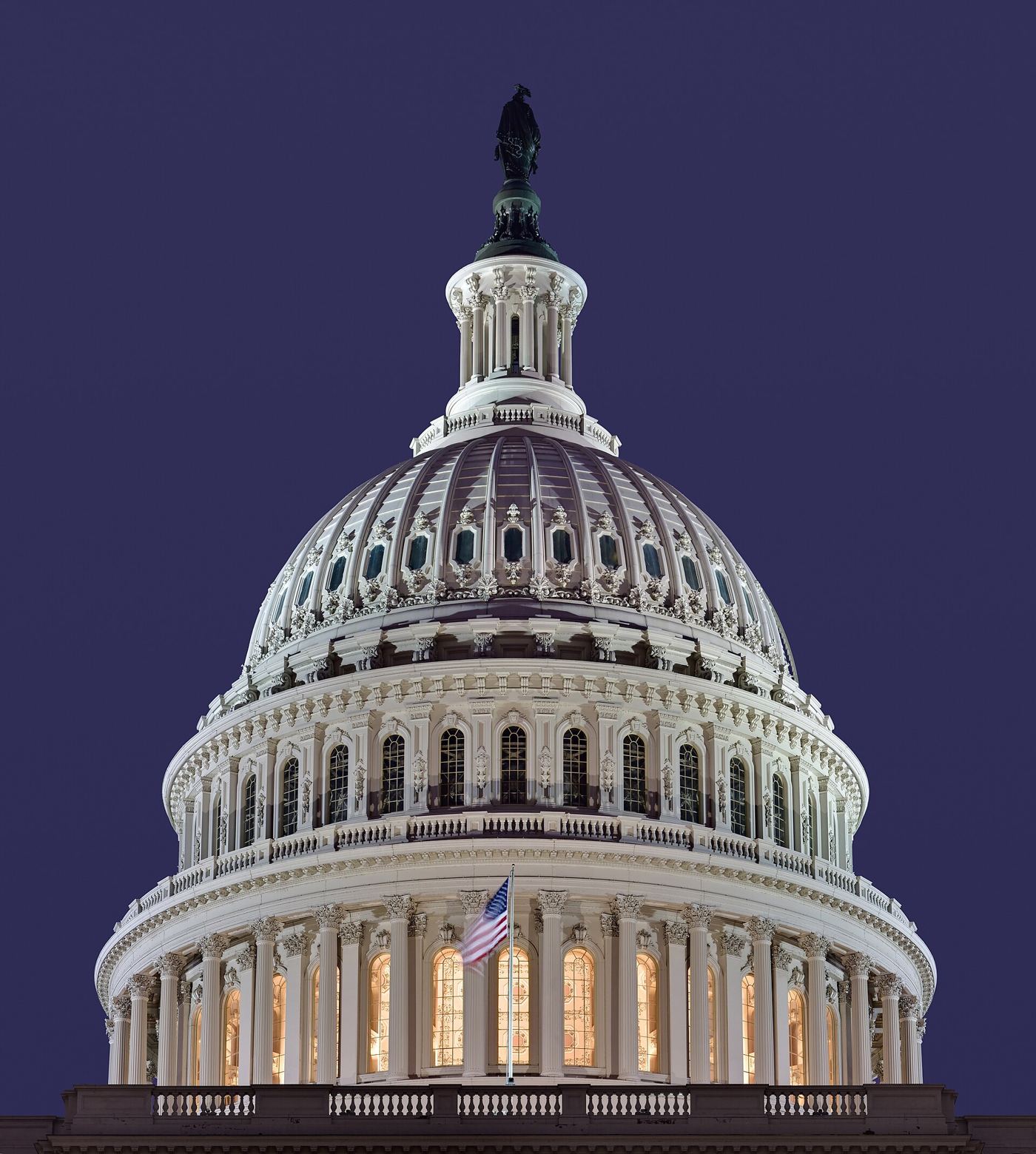
The Democratic Party won control of both chambers of the United States Congress in the midterm elections on November 3, 2026, delivering a sweeping rebuke to President Donald Trump and his Republican Party. Democrats flipped nine Republican-held Senate seats, including in Texas, Kansas, South Carolina, Iowa, North Carolina and Mississippi, and the final race was settled on November 18 when Mary Peltola defeated two-term Republican Dan Sullivan in Alaska, sealing a 56-44 Senate majority. The party also won the House of Representatives, crossing the 218-seat mark hours after polls closed, according to the Associated Press. Counting continued for days after election night, with the final Senate race in Alaska called more than two weeks later.
What the Evidence Shows
The scale of the victory surprised forecasters, who had expected a close Senate fight. James Talarico became the first Democrat to win statewide office in Texas since 1994, Adam Hamilton the first Democrat to win a Kansas Senate seat since 1932, and Abdul El-Sayed the first Muslim elected to the US Senate. Voters cited discontent over inflation, tariffs, AI data centres and the Iran war. Democrats will not take control of the Senate until January 3, when Hakeem Jeffries is also set to become the first Black Speaker of the House, giving the party power to block Trump’s agenda for the final two years of his presidency. Reporting and analysis from sources such as Reuters track the same developments, and specialists following the Democratic midterm sweep of Congress say the direction is now consistent across independent lines of evidence.
The Wider Context
The wider context is a public conversation conducted at a speed institutions were not built for. Developments around the Democratic midterm sweep of Congress are announced, contested and revised within a single news cycle, and the officials involved have learned to publish evidence alongside claims so that scrutiny can actually occur. Trust, the polling suggests, follows that transparency more than it follows confidence.
What Happens Next
What happens next in the story of the Democratic midterm sweep of Congress will be decided in the places where it is being implemented, measured and argued about in public. The officials and organisations involved have committed to publishing progress data, and that commitment gives residents, businesses and journalists something firmer than promises to judge. The next milestones are dated, which means they can be checked. You can follow related developments in our coverage of news.
There is a practical lesson in all of this for readers deciding what to do today. Start with the verified facts, be wary of anyone promising certainty, and prefer reversible steps while the evidence is still developing. Circumstances differ by country, income and personal situation, so general guidance should always be weighed against your own context before you act on it in any significant or lasting way.

