

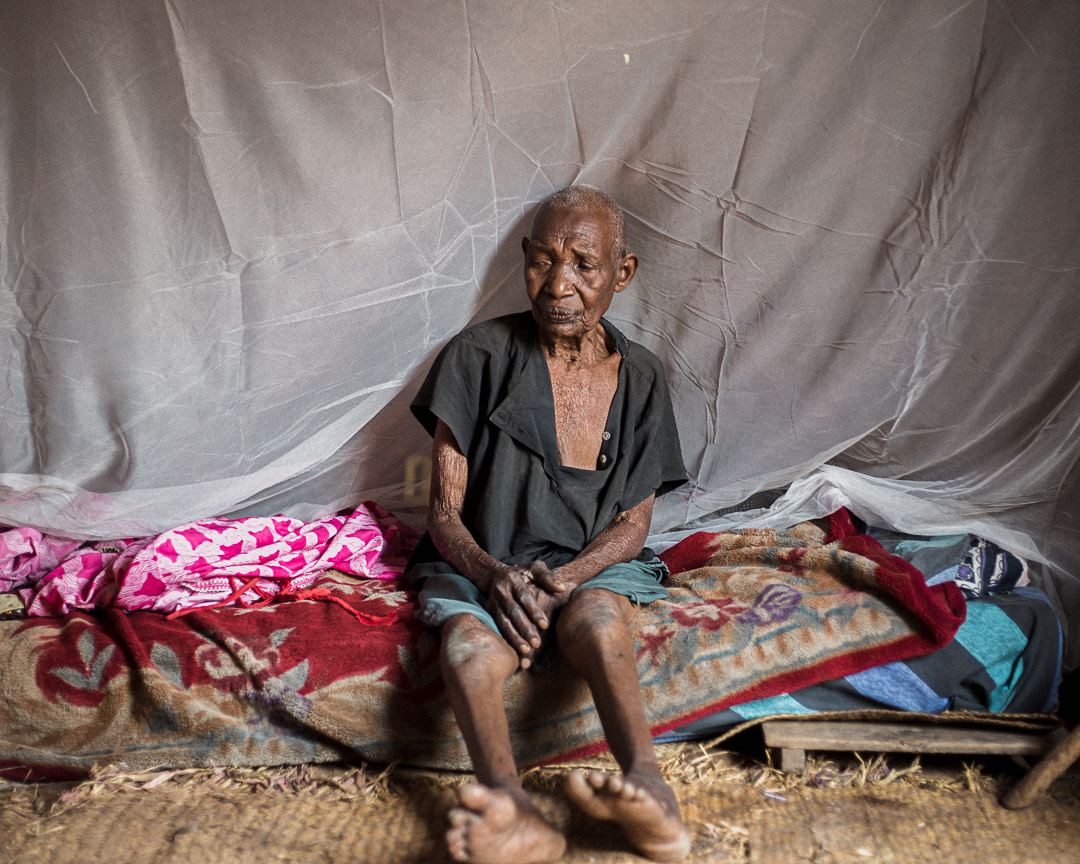
Social isolation and loneliness are linked to a measurably older biological age, according to a study of 309,746 UK Biobank adults, published in Health Psychology and reported on 4 November 2026. The researchers, led by Rui Mao and Xin Meng at Xiangya Hospital of Central South University, scored social isolation from zero to three and loneliness from zero to two, with biological age estimated from blood biomarkers. After full adjustment, each isolation point went with a biological age 0.17 years older, and each loneliness point with 0.15 years older. The most isolated group was 0.33 years, about four months, older than the least isolated, and lonely adults were 0.24 years older than those who were not lonely.
What the Evidence Shows
The participants had a mean baseline age of about 56 and were 54 percent female, recruited between 2006 and 2010 and followed to July 2023. The authors say reverse causality cannot be ruled out, because poorer health could itself lead to isolation, and biological age was measured only once. Isolation and loneliness also came from brief questionnaire items, the sample was predominantly of European ancestry and UK-based, and the mediation analysis was exploratory. Even with those limits, the study adds weight to the idea that social connection is not only a matter of happiness, but a measurable part of how the body ages. Reporting and analysis from sources such as Nature Human Behaviour track the same developments, and specialists following loneliness and isolation ageing the body say the direction is now consistent across independent lines of evidence.
The Wider Context
The wider context is a discipline rebuilding confidence through replication and pre-registration, and findings on loneliness and isolation ageing the body are being reported with their effect sizes and limits attached. That honesty can make results sound smaller than the headlines of a decade ago, but the effects that survive are the ones practitioners can responsibly build on.
What Happens Next
What happens next in research on loneliness and isolation ageing the body is a turn toward real-world trials: longer, larger and conducted in the schools, workplaces and clinics where the findings are meant to apply. Psychologists are also studying individual differences more seriously, because average effects conceal the people for whom an approach works powerfully and those it leaves cold. Both shifts make the science slower and more useful. You can follow related developments in our coverage of psychology.
None of this will be settled by a single announcement, study or product launch. The pattern to watch is accumulation: independent confirmations, honest reporting of failures and steady improvement in the underlying numbers. Readers who follow those signals, rather than the loudest claim of the week, will understand this subject better than most of the commentary surrounding it suggests is possible.

