

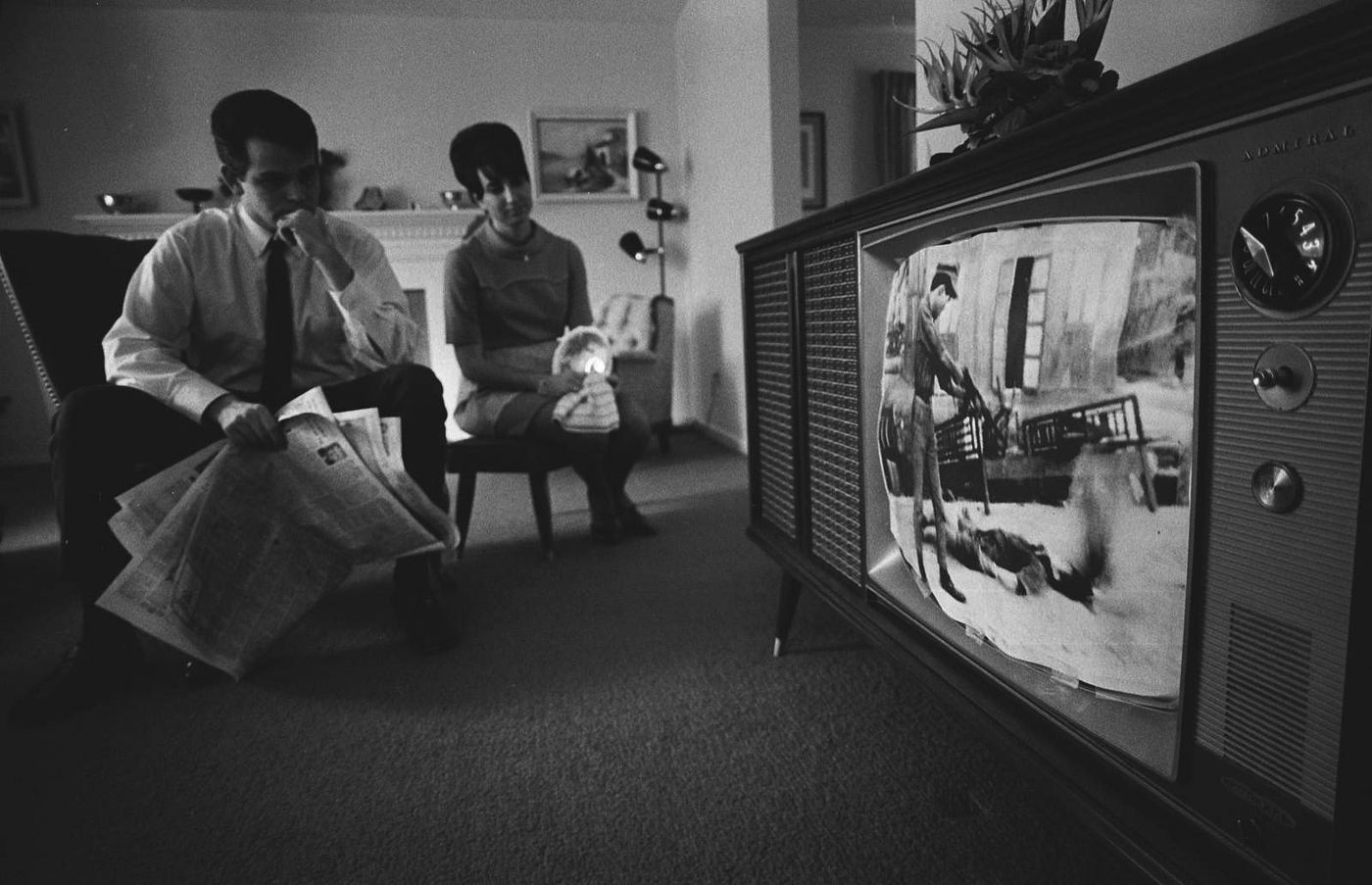
The availability heuristic is a mental shortcut in which people judge how likely something is by how easily examples come to mind. Psychologists Amos Tversky and Daniel Kahneman described it in 1973, showing that the ease of recall, rather than the real frequency, often drives our judgements. In one test, they asked people whether English words beginning with the letter K are more common than words with K as the third letter. Most people said words beginning with K, because such words spring to mind more easily, yet words with K third are actually about twice as common. The same shortcut explains why people overestimate the risk of plane crashes, shark attacks and murders, which dominate the news, and underestimate the risk of car accidents, strokes and diabetes, which kill far more people but attract less attention.
What the Evidence Shows
The heuristic works because it is usually a reasonable guide: things that happen often are generally easier to remember. It goes wrong when memory is biased by vividness, recent events or media coverage. After a widely reported disaster, people buy more insurance against that risk; after a celebrity death from a rare disease, donations to that cause surge. Marketers, politicians and campaigners exploit the effect by making their message memorable, knowing that what is easy to recall feels true and important. The defence is to pause and ask for the base rate, the actual numbers, before deciding. When the facts are available, they are a better guide than the first example that comes to mind. The same bias affects doctors, who may over-diagnose an illness they have recently seen, and investors, who chase shares that have recently been in the headlines. Reporting and analysis from sources such as Nature Human Behaviour track the same developments, and specialists following the availability heuristic say the direction is now consistent across independent lines of evidence.
The Wider Context
The wider context is a discipline rebuilding confidence through replication and pre-registration, and findings on the availability heuristic are being reported with their effect sizes and limits attached. That honesty can make results sound smaller than the headlines of a decade ago, but the effects that survive are the ones practitioners can responsibly build on.
What Happens Next
What happens next in research on the availability heuristic is a turn toward real-world trials: longer, larger and conducted in the schools, workplaces and clinics where the findings are meant to apply. Psychologists are also studying individual differences more seriously, because average effects conceal the people for whom an approach works powerfully and those it leaves cold. Both shifts make the science slower and more useful. You can follow related developments in our coverage of psychology.
None of this will be settled by a single announcement, study or product launch. The pattern to watch is accumulation: independent confirmations, honest reporting of failures and steady improvement in the underlying numbers. Readers who follow those signals, rather than the loudest claim of the week, will understand this subject better than most of the commentary surrounding it suggests is possible.

