

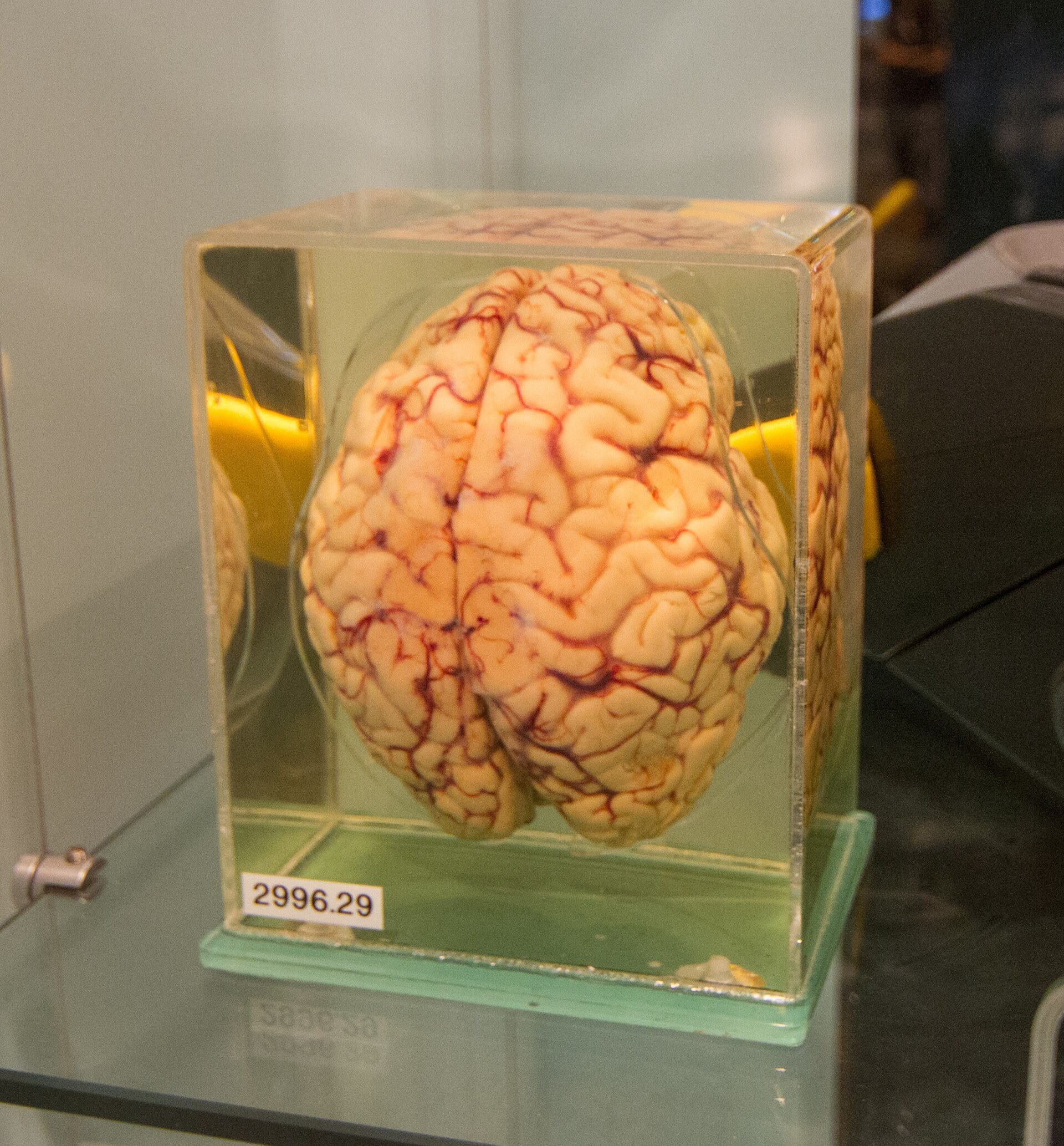
The human brain is evolution’s masterpiece and, on closer inspection, its compromise. A growing scientific argument holds that the very features that made our brains powerful — their size, their ravenous energy demands, their decades-long development and their densely interconnected cortex — also set the organ up for characteristic forms of failure, from mental illness in youth to dementia in old age. Evolution optimises for reproduction, not for durability, and the brain bears the receipts.
An Expensive, Overextended Design
At roughly two percent of body weight, the brain consumes about a fifth of our energy. Its neurons are maintained for a century without replacement, accumulating damage in proteins and DNA that other tissues simply discard by turning over cells. Human brain development is extraordinarily prolonged — the prefrontal cortex does not finish maturing until the mid-twenties — creating a long window of vulnerability in which schizophrenia, bipolar disorder and other conditions characteristically emerge. Analysis covered by Science and similar journals increasingly frames these not as random defects but as the shadow side of specific adaptations.
Trade-Offs Written in Anatomy
Consider the bargain of connectivity. The same richly networked cortex that supports language, planning and social cognition depends on precise wiring assembled over years; small deviations produce outsized effects. Or consider ageing: selection pressure weakens after reproductive years, so maintenance systems were never tuned for the ninth decade that modern lifespans now routinely reach — the era when Alzheimer’s and other neurodegenerative diseases strike. Our science blog regularly explores how these trade-offs reshape medicine’s research agenda, including initiatives such as the NIH BRAIN Initiative.
Why ‘Designed to Fail’ Is the Wrong Reading
The provocative phrase needs care. Brains are not failing at their evolutionary job; by the measure of gene propagation they succeeded spectacularly. The failures appear where modern life outruns the design brief: eighty-year lifespans, calorie-saturated diets, sleep-deprived schedules and social worlds of unprecedented scale. Mismatch, more than defect, explains much of the modern burden of brain disease.
What the Perspective Buys Medicine
Living With a Brain That Was Built for Another Era
If so much brain trouble is mismatch — an ancestral organ in a novel environment — then part of the remedy is environmental too. The strongest evidence-backed protections read like a description of the world the brain evolved for: regular physical exertion, deep sleep in genuine darkness, a diet of whole foods, sustained social connection and the management of blood pressure and hearing loss that modern medicine makes possible. None of it is glamorous. All of it measurably shifts the odds of cognitive decline.
That is the hopeful inversion of the “set up for failure” thesis. The same analysis that explains our vulnerabilities identifies their pressure points, and many sit within ordinary reach. Evolution gave the brain a design brief it has now outlived; culture, medicine and habit are the retrofit. The organ that learned to write its own owner’s manual is, characteristically, using it.
Researchers are quick to add that trade-offs are not destiny. The same evolutionary lens that explains vulnerability also explains resilience: the brain’s plasticity, its capacity to rewire around damage and to keep learning into old age, is itself an evolved feature without parallel in the animal kingdom. Stroke recovery, cognitive training effects and the protective power of education all testify to an organ that, for all its design compromises, repairs and adapts better than any machine yet built. The failures make the headlines; the recoveries are the baseline.
Framing brain disorders as trade-offs is not fatalism — it is a research strategy. It predicts where vulnerability concentrates (late-maturing circuits, high-energy neurons, long-lived proteins) and therefore where interventions might work: protecting protein-clearance systems, supporting metabolic resilience, and treating early windows of development as critical periods for prevention. The brain was never built to last forever. Understanding exactly how it was built may be the best route to helping it last longer. Read more science stories on our homepage.

