

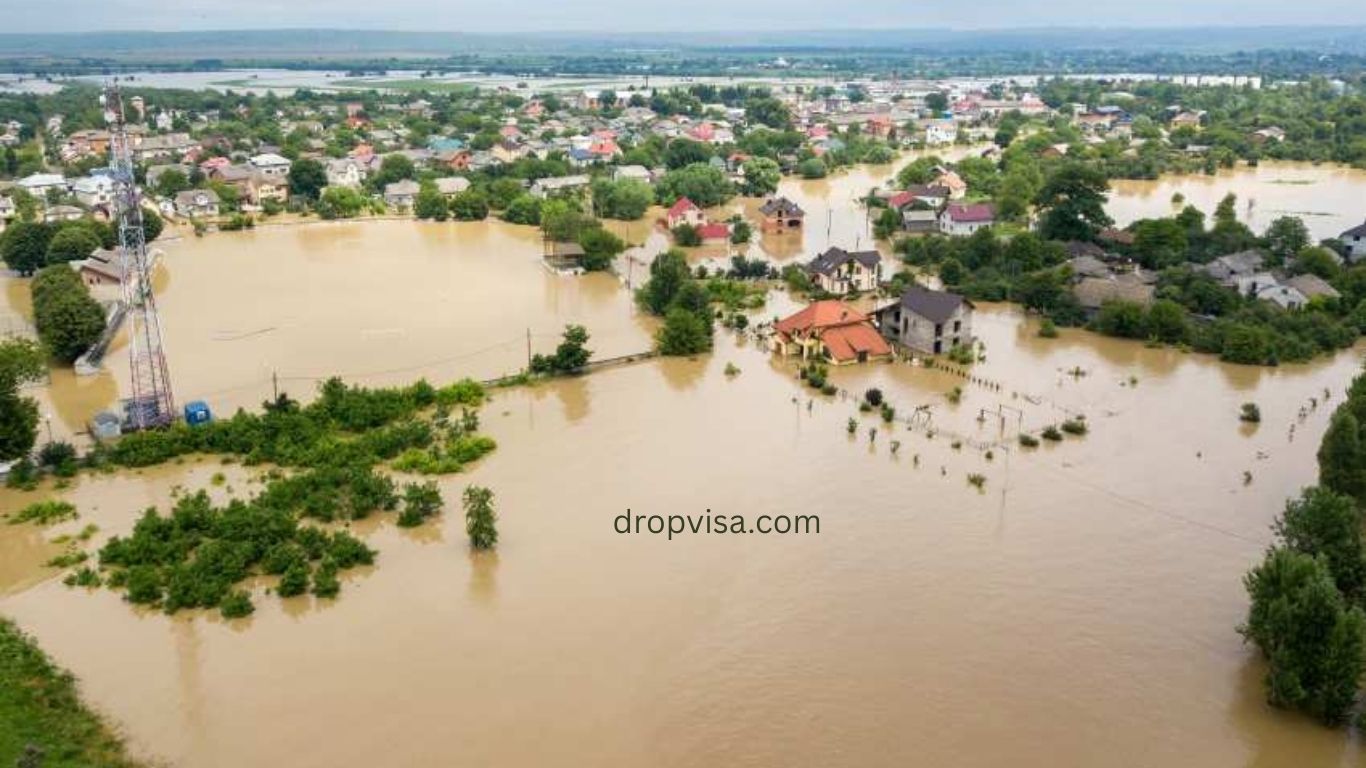
Recent floods in Southeast Asia left a trail of destruction across Thailand, Laos, Vietnam, and Cambodia, disrupting tourism and damaging infrastructure, cultural attractions, and local livelihoods. For weeks, these destinations faced travel delays, site closures, and community challenges. Now, as recovery efforts gain momentum, the region is reopening to travelers, offering the chance to rediscover its unique cultural and natural treasures.
Read More: Nigerian Students Affected by 3-Month U.S. Visa Limit – DropVisa
Northern Thailand Leads the Way in Recovery
Northern Thailand has emerged as a model of resilience, quickly restoring access to major destinations. Provinces such as Chiang Rai, Phayao, Phrae, Lampang, Lamphun, Mae Hong Son, and Uttaradit are once again accessible, with air, rail, and road services operating normally.
Chiang Rai’s iconic temples, Lampang’s historic teakwood buildings, and Mae Hong Son’s scenic valleys are once again welcoming visitors. Local markets are lively, and seasonal festivals are returning, creating a sense of vibrancy that had been missing during the floods.
However, some sites remain closed for restoration. Phu Chi Fa National Park and the Mae Fah Luang University Botanical Garden in Chiang Rai are expected to reopen by the end of August, ensuring safety and preservation before tourism resumes there.
Nan Province: A Symbol of Resilience
Nan Province, in particular, showcases how quickly a destination can rebound when communities work together. Most districts — including Mueang Nan, Pua, Na Noi, Na Muen, and Santi Suk — are now fully open. Tourists can once again explore:
- Doi Phu Kha National Park and its scenic mountain routes along Highways 3, 1256, and 1517.
- Cultural landmarks like Wat Phra That Chae Haeng and the Bo Kluea Rock Salt Well.
- Natural gems such as Doi Samer Dao, Khun Sathan National Park, Si Nan National Park, and Sao Din Na Noi.
Visitors can also immerse themselves in the Tai Lue community, enjoying traditional crafts, cuisine, and agricultural experiences, including tours of Cocoa Valley.
Accommodation options have fully returned, from boutique hotels like Nan Boutique Resort to cozy homestays such as Ban Ikikawa in Bo Kluea. Popular cafés — including Voila! Nirvanan and Sapan Unseen Café — are also back in business, preserving the province’s rich culinary culture.
Regional Recovery: Laos, Vietnam, and Cambodia
The flooding affected multiple Southeast Asian countries, each now at different stages of recovery.
Laos has reopened key areas in Luang Prabang, Vientiane, and Vang Vieng. Iconic attractions such as the Kuang Si Falls and Plain of Jars are operational again after essential repairs, drawing both international and domestic travelers.
Vietnam’s central and northern regions faced heavy flooding, impacting sites like Hoi An, Da Nang, and Sapa. Today, Ha Long Bay and Phong Nha–Kẻ Bàng National Park are welcoming visitors once more, offering kayaking, hiking, and cave exploration.
Cambodia saw disruptions in both rural and urban areas, but swift action has restored tourism in Siem Reap and Phnom Penh. The Angkor Archaeological Park resumed operations early in the recovery, while other attractions like Tonle Sap Lake are again accessible.
Economic and Cultural Importance of Tourism Revival
Tourism is a cornerstone of Southeast Asia’s economy. Pre-pandemic, the region attracted over 140 million visitors annually, generating billions in revenue and supporting millions of jobs. The floods were a severe setback for communities still recovering from COVID-19’s effects.
Reopening sites isn’t just about sightseeing — it’s about livelihoods. Hotel workers, tour guides, taxi drivers, artisans, and street vendors depend on tourism to survive. As visitors return, the benefits ripple across entire communities, helping them rebuild faster and more sustainably.
Challenges and Opportunities in Recovery
Rebuilding after natural disasters is never simple. Damaged roads, disrupted utilities, and infrastructure repairs all take time. Yet these challenges have sparked new opportunities:
- Infrastructure upgrades to better withstand future floods.
- Improved transport connections in Northern Thailand and Vietnam.
- Tourism campaigns highlighting both classic and lesser-known attractions to spread visitor numbers more evenly.
These changes not only restore what was lost but also prepare the region for a stronger, more sustainable tourism future.
Rise of Sustainable and Community-Based Tourism
The recovery phase has accelerated a shift toward responsible travel. Authorities and tourism boards are encouraging eco-friendly practices, respect for cultural heritage, and support for local economies.
In Nan Province, visiting the Tai Lue community allows tourists to directly contribute to local livelihoods. In Vietnam, eco-tours in Ha Long Bay promote environmental awareness. Cambodia is revitalizing rural tourism, offering homestays and heritage trails that benefit small communities.
This focus on sustainability ensures that tourism growth aligns with environmental protection and cultural preservation, reducing the risk of over-tourism and environmental degradation.
Why Now Is the Perfect Time to Visit
For adventurous travelers, now is an ideal moment to explore these recovering regions. With fewer crowds, improved infrastructure, and the unique chance to support rebuilding efforts, visitors can enjoy authentic, meaningful experiences.
Nature lovers will find landscapes refreshed by the rains — fuller waterfalls, greener hillsides, and vibrant wildlife. Cultural festivals and markets are returning, often infused with a renewed sense of pride and community spirit.
Frequently Asked Questions:
Is Northern Thailand open for tourism after the recent floods?
Yes. Most areas in Northern Thailand, including Chiang Rai, Phayao, Phrae, Lampang, Lamphun, Mae Hong Son, and Uttaradit, are fully open with air, rail, and road travel back to normal. However, a few sites like Phu Chi Fa National Park and Mae Fah Luang University Botanical Garden remain closed until the end of August.
Which destinations in Nan Province are open for travelers?
Nan Province’s districts such as Mueang Nan, Pua, Na Noi, Na Muen, and Santi Suk are open. Popular attractions like Doi Phu Kha National Park, Wat Phra That Chae Haeng, Bo Kluea Rock Salt Well, and scenic mountain routes are operating normally.
Can I visit Laos now that floodwaters have receded?
Yes. Key destinations like Luang Prabang, Vientiane, and Vang Vieng have reopened. Iconic sites such as Kuang Si Falls and the Plain of Jars are welcoming visitors again.
How has Vietnam’s tourism sector recovered after the floods?
Vietnam’s major tourist hubs — including Hoi An, Da Nang, Ha Long Bay, and Phong Nha–Kẻ Bàng National Park — are open. Tourists can enjoy activities like kayaking, hiking, and cave exploration.
Is Cambodia’s Angkor Wat open after the floods?
Yes. Angkor Archaeological Park in Siem Reap resumed operations early in the recovery process. Other attractions like Tonle Sap Lake and Phnom Penh’s cultural sites are also open.
Are transportation services fully operational in these countries?
In most areas, yes. Air, road, and rail connections have been restored. However, travelers should check for localized disruptions, especially in remote regions.
What safety precautions should travelers take when visiting flood-affected areas?
Stay updated on weather forecasts, confirm transport schedules, book accommodations that are fully operational, and follow local guidelines in areas still undergoing restoration.
Conclusion
The reopening of Northern Thailand, Laos, Vietnam, and Cambodia after the recent floods marks a significant milestone for Southeast Asia’s tourism revival. Despite the challenges, these destinations have shown remarkable resilience, restoring infrastructure, reopening attractions, and welcoming visitors once again. From Nan’s cultural landmarks to Laos’ heritage sites, Vietnam’s natural wonders, and Cambodia’s iconic temples, travelers now have the opportunity to experience the region’s beauty.

