

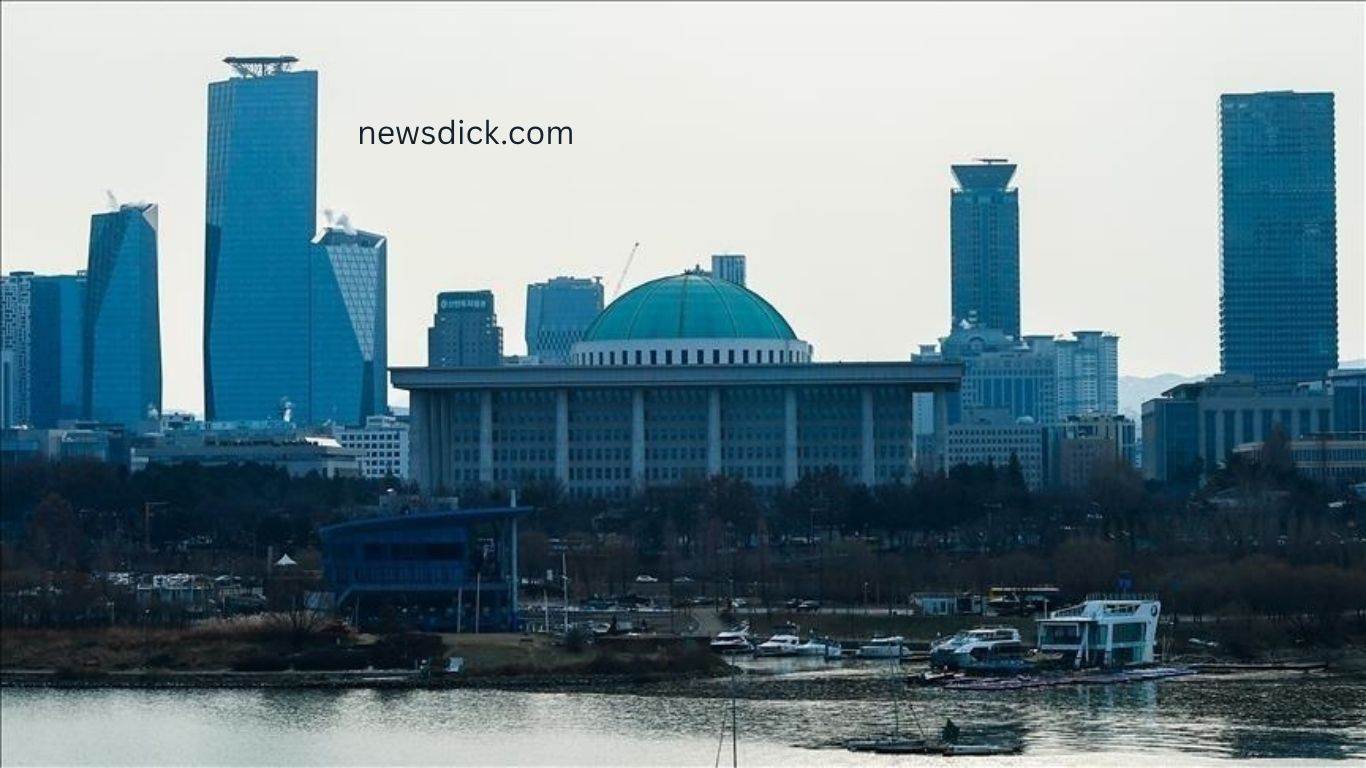
South Korea has announced a significant step toward improving relations with China by introducing a visa-free entry program for Chinese tourists starting next month. The move comes amid ongoing diplomatic efforts to stabilize bilateral ties and promote tourism-driven economic growth.
The decision, revealed on Wednesday by Prime Minister Kim Min-seok’s office during a task force meeting on tourism promotion policies at the government complex in Seoul, will allow Chinese group tourists to visit South Korea without a visa from September 29 until the end of June next year. This temporary relaxation of entry requirements is aimed at boosting visitor numbers, revitalizing local economies, and stimulating domestic demand.
Boost for Tourism and the Economy
“With Korea’s inbound tourism market recovering rapidly, the new visa waiver policy is expected to generate additional demand from Chinese tourists and contribute to revitalizing regional economies and boosting domestic demand,” the government said in an official statement.
The tourism industry is a major contributor to South Korea’s economy, and Chinese travelers have historically formed the largest share of foreign visitors. Before the COVID-19 pandemic, millions of Chinese tourists flocked to South Korea each year, drawn by cultural attractions, shopping districts, K-pop culture, and beauty products. However, diplomatic tensions and pandemic-related restrictions caused a sharp decline in arrivals.
By easing visa requirements for group travelers, South Korea hopes to recapture this lucrative market segment. The move also reflects Seoul’s broader strategy to diversify its economic recovery efforts by tapping into tourism revenues.
China’s Reciprocal Gesture
The policy shift comes less than a year after China extended its visa-free entry for South Korean nationals, increasing the permitted stay from 15 days to 30 days in November last year. This was widely seen as a goodwill gesture to promote people-to-people exchanges and improve bilateral ties.
The latest initiative from Seoul builds on that momentum, signaling a willingness to engage despite occasional political frictions.
Diplomatic Nuances in the Background
While the visa-free program is a positive development, it comes against a backdrop of complex diplomatic relations. Recently, South Korean Foreign Minister Cho Hyun referred to China as “somewhat problematic” for its neighbors. The remark sparked discussions about the underlying tensions between the two countries, particularly in the context of South Korea’s close alliance with the United States.
The South Korean presidential office later clarified Cho’s comments, emphasizing that Seoul is committed to developing bilateral relations with Beijing while maintaining a strong partnership with Washington. This balancing act between its largest neighbor and its key security ally remains a defining feature of South Korea’s foreign policy.
High-Level Engagements Continue
In a sign that both countries are willing to keep communication channels open, top Chinese diplomat Wang Yi spoke with Minister Cho ahead of his scheduled visit to Washington. Wang stressed the importance of maintaining “good neighborliness” and urged both sides to act as “genuine strategic cooperative partners” to enhance bilateral relations.
Such diplomatic exchanges suggest that while differences remain, there is recognition on both sides that economic and cultural cooperation is mutually beneficial.
Why Chinese Tourists Matter to South Korea
Chinese visitors have been a cornerstone of South Korea’s tourism sector for more than a decade. According to pre-pandemic statistics, they accounted for nearly half of all foreign tourist arrivals in certain years. The average spending per Chinese tourist is also higher than that of many other visitor groups, driven by demand for cosmetics, fashion, electronics, and luxury goods.
This spending has a ripple effect on multiple industries, from hospitality and transportation to retail and entertainment. Popular districts like Myeongdong in Seoul and Jeju Island have historically thrived on Chinese tourist spending, and local businesses have been eager to see their return.
The visa-free program is expected to encourage not only sightseeing trips but also shopping tours, medical tourism, and participation in cultural events.
Strategic Timing of the Policy
The start date of September 29 is no coincidence—it coincides with China’s Golden Week, a national holiday period when millions of Chinese citizens travel domestically and abroad. By aligning the visa-free policy with this peak travel season, South Korea is positioning itself as an attractive destination for Chinese holidaymakers.
Additionally, extending the program until June next year allows the tourism sector ample time to recover and gives policymakers room to assess its impact before making it a permanent arrangement.
Potential Challenges
While the visa-free initiative is widely welcomed by the tourism industry, there are challenges to consider. Political tensions could still flare up, potentially affecting visitor sentiment. Moreover, competition for Chinese tourists is fierce, with destinations like Thailand, Japan, and Singapore also easing entry restrictions and offering attractive packages.
To fully capitalize on the policy, South Korea will need to invest in targeted marketing campaigns, improve Chinese-language services, and ensure a seamless travel experience from arrival to departure.
The Bigger Picture: Tourism as Diplomacy
Tourism often serves as a bridge between nations, fostering cultural understanding and soft diplomacy. For South Korea and China, people-to-people exchanges can help ease political differences by building mutual goodwill. This visa-free initiative reflects a recognition that economic cooperation can be an effective pathway to more stable diplomatic relations.
As the global travel industry rebounds from the pandemic, countries are rethinking their strategies to attract high-spending tourists. South Korea’s move is not only about boosting short-term revenue but also about positioning itself as a welcoming neighbor to China, despite geopolitical complexities.
Frequently Asked Questions:
When will South Korea’s visa-free policy for Chinese tourists start?
The policy will begin on September 29, 2025, and run until the end of June 2026.
Who is eligible for the visa-free entry program?
It applies to Chinese group tourists traveling through approved travel agencies.
Why did South Korea introduce this visa-free policy?
The aim is to boost tourism, stimulate local economies, and improve diplomatic ties with China.
How long can Chinese tourists stay without a visa?
The stay duration depends on group tour arrangements, but the program is valid for visits during the announced period.
Is this policy permanent?
No, it is a temporary measure lasting until June 2026, after which the government will review its impact.
Has China made similar gestures toward South Korea?
Yes, in November 2024, China extended visa-free stays for South Koreans from 15 days to 30 days.
Does this policy apply to individual travelers?
Currently, it is limited to organized group tours and does not cover independent travelers.
Conclusion
South Korea’s decision to grant visa-free entry to Chinese group tourists marks a strategic step toward reviving its tourism sector while easing diplomatic tensions with its largest neighbor. Timed to align with peak Chinese travel seasons, the policy is expected to inject much-needed economic momentum into local markets and strengthen people-to-people ties.

